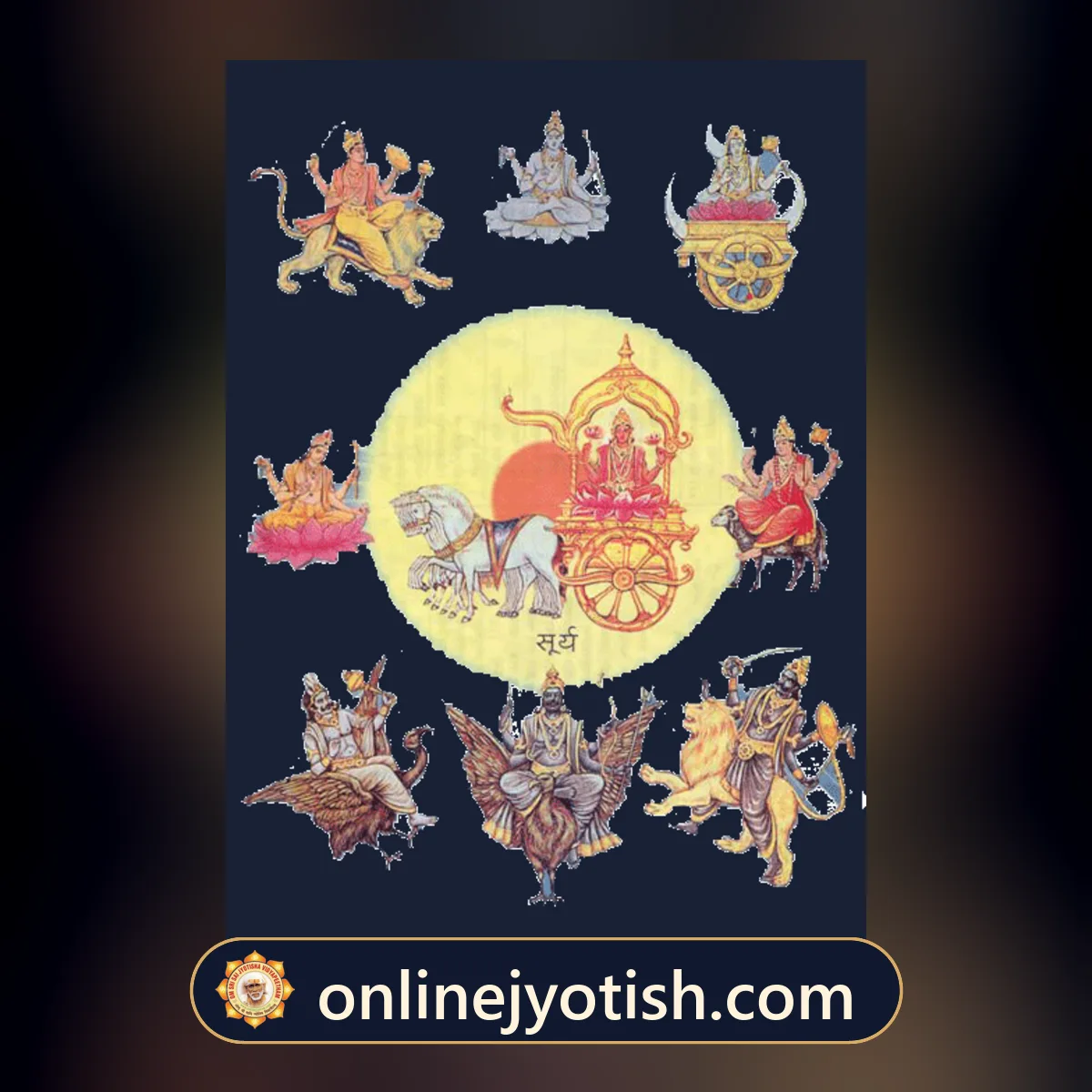
This collection contains one mantra for each graha, using seed syllables alongside the deity’s name. “Tantrokta” refers to a Tantric textual tradition. These are longer formulas than simple name salutations such as “Om Suryaya Namah”.
Seed syllables are sacred sounds within the tradition and do not have ordinary sentence-by-sentence translations. The deity names identify whom each mantra addresses. For a formal practice, learn the sounds and the version used by your teacher; the text here is a reading reference, not a complete ritual manual.
Words to recognise
Bija: a seed syllable used in a mantra.
Namah: an expression of salutation.
Svaha: an offering formula found at the end of many mantras.
This is a summary of the prayer’s themes, rather than a word-for-word translation. Traditional blessings in a hymn express faith and hope; they do not guarantee health, wealth or protection from harm.
Reading help
Start with a few lines at a comfortable pace. A single bar (|) marks a pause and a double bar (||) marks the end of a verse. Where numbers appear, they refer to the hymn’s verses, not a required number of repetitions.
How to read the Roman letters
Long vowels ā, ī and ū are held longer than a, i and u. The letter c is like “ch” in “church”; ś and ṣ are two Sanskrit “sh” sounds. The dots in ṭ, ḍ and ṇ mark sounds made with the tongue curled back. ṛ is a vowel; ṃ marks a nasal sound and ḥ a light release of breath. A mark like ’ indicates an omitted a at a word boundary.
In simple spelling, aa, ii and uu usually stand for the long vowels, while sh stands for a “sh” sound. Written spelling is a starting point; listening to a knowledgeable reciter helps with sounds that English does not distinguish.
Do I need to perform a full ritual?
You may read the hymn and its explanation as devotional literature. This page does not prescribe fasting, costly offerings or a compulsory daily count. Formal practices, including mantra initiation and nyasa (ritual placement of mantras), vary by tradition and are best learned with a teacher.
Text reference: Tantrokta Navagraha Mantras at Sanskrit Documents. Readings and verse numbering can vary between editions. This page focuses on the hymn text; separate ritual preliminaries and closing source attributions are not reproduced.