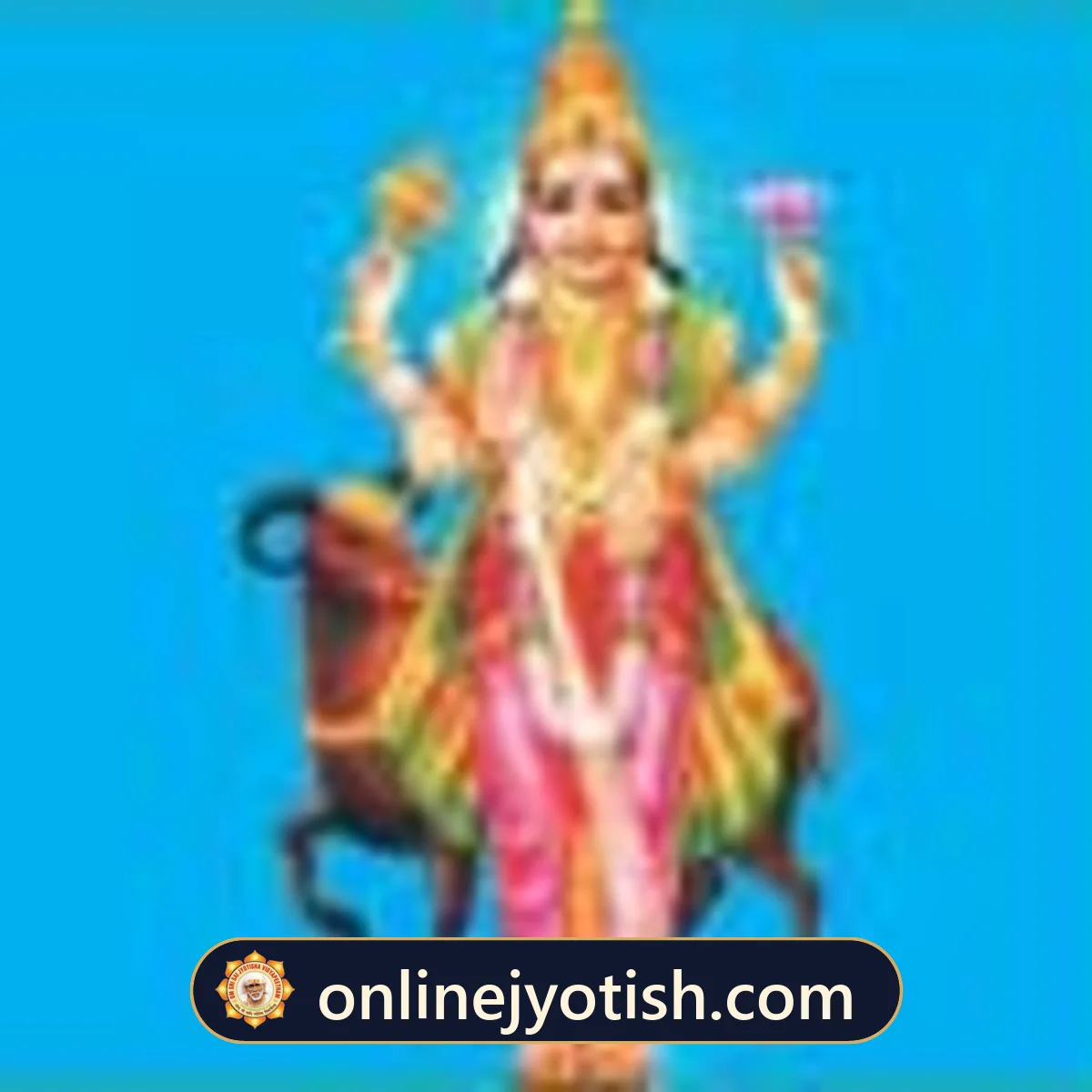
This short stotram praises Mars through names such as Angaraka, Mangal and Bhauma. It begins with the deity’s red appearance and attributes, then turns to the hopes of the person reciting it.
sarvā naśyati pīḍā ca tasya grahakṛtā dhruvam || 7 ||
Understanding this prayer
The names combine an image of strength with an appeal for assistance. References to distress, resources and family in the closing lines are part of the hymn’s devotional language. Reading this prayer does not by itself determine whether a horoscope has Kuja dosha.
Words to recognise
Dharasuta: son of the Earth.
Lohitanga: red-bodied.
Mangala: auspicious; also a name for Mars.
This is a summary of the prayer’s themes, rather than a word-for-word translation. Traditional blessings in a hymn express faith and hope; they do not guarantee health, wealth or protection from harm.
Reading help
Start with a few lines at a comfortable pace. A single bar (|) marks a pause and a double bar (||) marks the end of a verse. Where numbers appear, they refer to the hymn’s verses, not a required number of repetitions.
How to read the Roman letters
Long vowels ā, ī and ū are held longer than a, i and u. The letter c is like “ch” in “church”; ś and ṣ are two Sanskrit “sh” sounds. The dots in ṭ, ḍ and ṇ mark sounds made with the tongue curled back. ṛ is a vowel; ṃ marks a nasal sound and ḥ a light release of breath. A mark like ’ indicates an omitted a at a word boundary.
In simple spelling, aa, ii and uu usually stand for the long vowels, while sh stands for a “sh” sound. Written spelling is a starting point; listening to a knowledgeable reciter helps with sounds that English does not distinguish.
Do I need to perform a full ritual?
You may read the hymn and its explanation as devotional literature. This page does not prescribe fasting, costly offerings or a compulsory daily count. Formal practices, including mantra initiation and nyasa (ritual placement of mantras), vary by tradition and are best learned with a teacher.
Text reference: Angaraka (Kuja) Stotram at Sanskrit Documents. Readings and verse numbering can vary between editions. This page focuses on the hymn text; separate ritual preliminaries and closing source attributions are not reproduced.